
Preventing Shipment Delays with Effective Real-Time Tracking Solutions

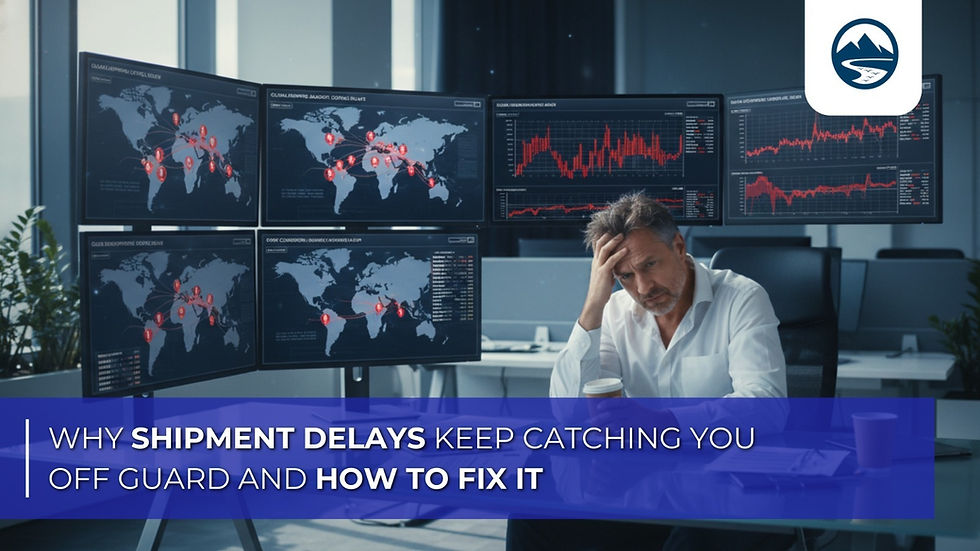
You don’t find out about a shipment delay when it happens.
You find out when your customer emails you.
By then, you’re already behind.
The issue isn’t the delay - it’s that you didn’t see it coming. That’s what creates pressure, drives costs, and damages trust.
Why This Keeps Happening
Delays don’t catch you off guard because they’re unpredictable. They do because your systems don’t surface them in time.
Your data is scattered across ERP, TMS, WMS, emails, and spreadsheets. Nothing is truly connected in real time. So instead of acting early, you rely on reports, manual checks, and delayed updates.
By the time something looks wrong, it already is.
There are always warning signs - missed milestones, stalled updates, inactive shipments. But without real-time alerts, those signals get buried.
So you stay reactive. Customers ask first. Teams scramble. Costs rise.
The Real Cost of Late Alerts
Late visibility isn’t just an operational issue - it’s a business problem.
You miss SLAs you could have saved.
You lose customer trust when they spot issues before you do.
You absorb avoidable costs like detention, demurrage, and premium freight.
And your team spends more time firefighting than managing.
The problem isn’t delays. It’s late awareness.
What Good Alerts Should Do
Effective shipment alerts don’t create noise - they drive action.
They flag risks before delays happen, not after.
They run in real time, not on outdated reports.
They’re tied to clear thresholds, so teams know what matters.
They’re role-specific, so the right people act fast.
And most importantly, they tell you what to do next - not just what went wrong.
How Edge Insights Fixes It
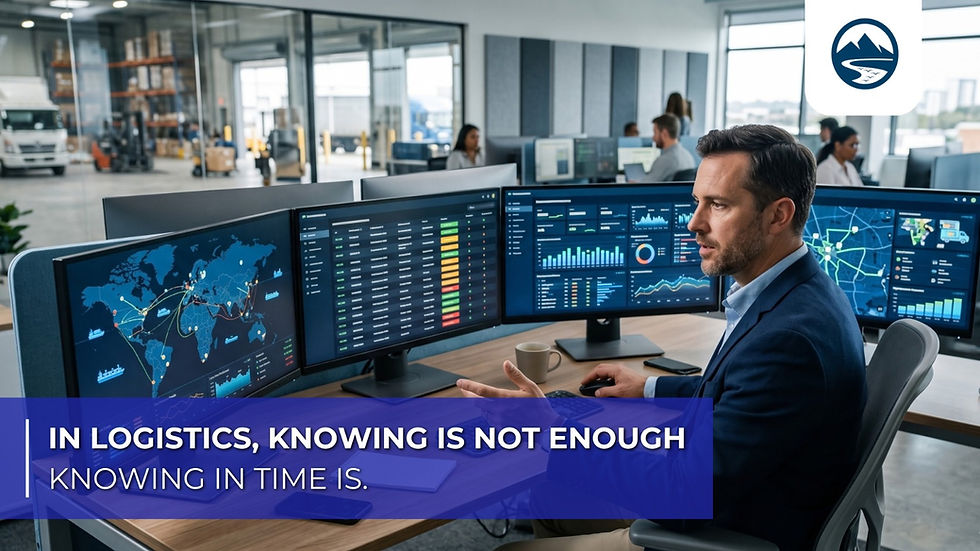
You don’t need more data. You need visibility that works in real time.
Edge Insights connects your ERP, TMS, WMS, and other systems into one unified view, So you’re not switching between tools or chasing updates.
It continuously monitors shipments and flags risks early - SLA breaches, missed milestones, stalled movements before they turn into problems.
Each team gets focused dashboards and alerts, without noise. Reporting is automated. Data is always current.
The result?
You stop reacting. You start controlling operations.


Comments